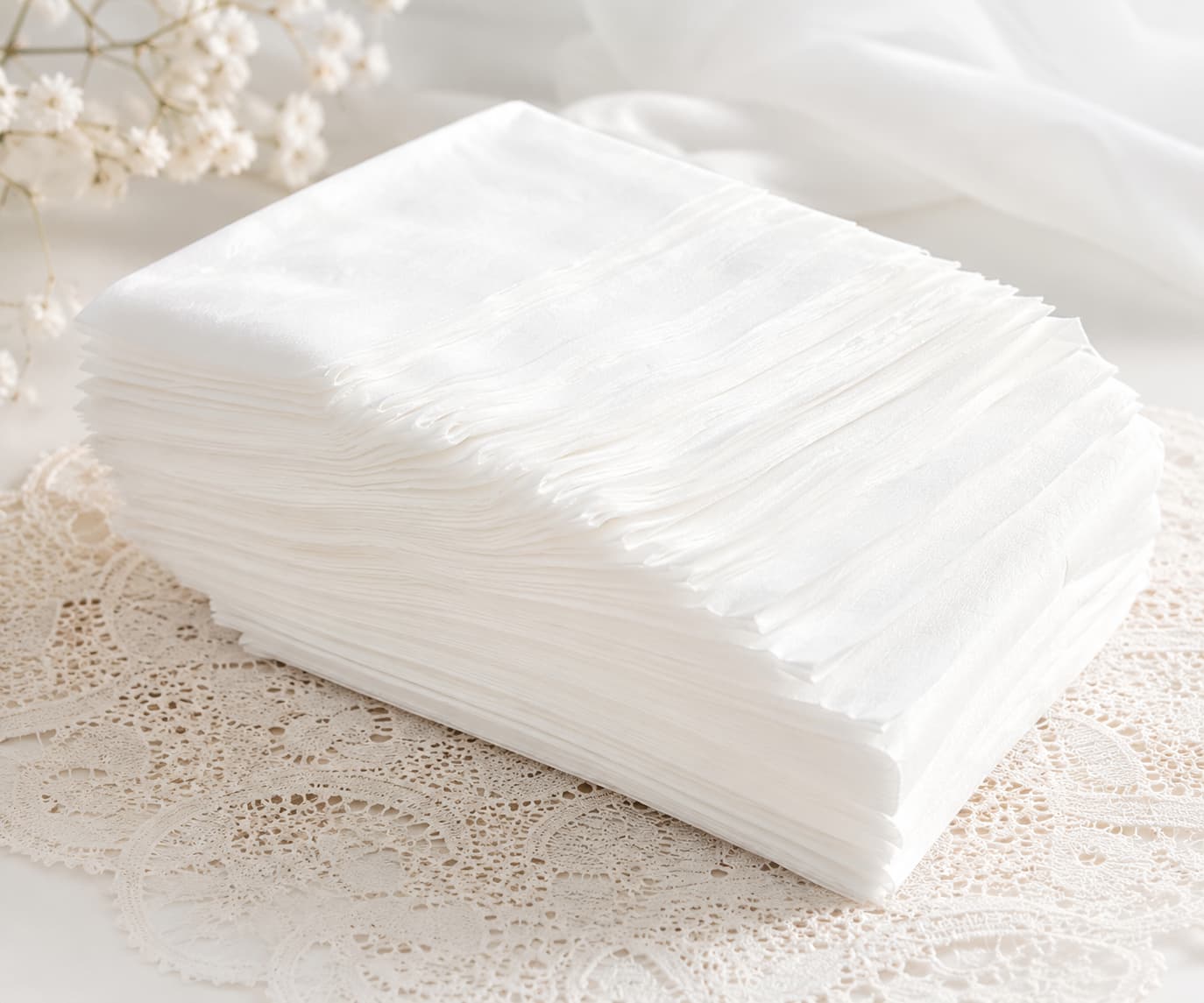
The best facial tissue paper is not simply the thickest or softest sheet. Commercial buyers should match ply, GSM, sheet size, surface feel, absorbency, wet strength, lint level, dispensing format and packaging design to the intended market. A premium hotel tissue, a value retail box and a compact travel pack may all require different specifications, even when they are made from the same type of pulp. Before confirming a bulk order, buyers should evaluate finished samples rather than relying only on a specification sheet. The tissue must feel comfortable during repeated contact with the face, separate cleanly from the next sheet and remain strong enough for normal wiping without becoming unnecessarily stiff.
What Makes Facial Tissue Different from Other Tissue Products?
Facial tissue is designed primarily for close contact with the face, nose and mouth. Compared with paper towels, it normally places greater emphasis on softness, flexibility and low surface roughness. Compared with toilet tissue, it may be engineered for better handling strength, but it should not automatically be assumed to have the same water-disintegration performance.
The awkward phrase “paper facial” sometimes appears in buyer searches, but the standard commercial term is facial tissue or facial tissue paper. Buyers should use clear product terminology in quotations to prevent confusion with cosmetic facial papers, oil-control sheets or wet wipes.
China Paper’s facial tissue paper is supplied in virgin wood pulp grades with customizable dimensions and a listed grammage range of 12–18 GSM. Its broader china tissue paper range also includes toilet tissue, napkins, hand towels and kitchen towels, allowing buyers to compare products developed for different handling and hygiene requirements. For private-label sourcing, the intended use should always be stated. A tissue developed for frequent nose wiping may prioritize softness and low lint, while a hospitality product may need a larger sheet, stronger presentation and packaging that matches the room design.
How Ply, GSM and Fiber Affect Tissue Performance
Ply refers to the number of tissue layers combined into one finished sheet. Two-ply facial tissue is common because it can balance softness, strength and cost. Three-ply tissue generally provides a fuller hand feel, but the extra layer does not guarantee better performance if ply bonding is weak or the sheet feels dense.
GSM means grams per square meter and measures the mass of the tissue. The official ISO 12625-6 method for determining tissue paper grammage provides a standardized basis for measuring this property. However, GSM should not be treated as a direct softness score. Two tissues with the same grammage can feel different because of fiber selection, creping, embossing, bulk and converting pressure.
Virgin wood pulp is commonly selected for facial products that require a clean appearance and consistent softness. Fiber length and refining influence both strength and formation. Excessive refining can produce a denser sheet, while insufficient bonding may lead to lint, weak ply adhesion or poor converting performance.
When comparing samples, buyers should assess:
Total sheet GSM and GSM per ply
Two-ply, three-ply or other layer construction
Ply separation during dispensing
Surface smoothness on both sides
Bulk and compressibility
Sheet uniformity and visible pinholes
Dust or lint after repeated wiping
A lower-GSM tissue can still perform well when its structure provides sufficient bulk and strength. For this reason, cost should be calculated per usable sheet or per box rather than by paper weight alone.
Softness, Wet Strength, Absorbency and Lint
Softness is partly measurable and partly sensory. Laboratory data can describe tensile properties, thickness and surface characteristics, but a controlled user panel is often necessary to compare perceived softness. Samples should be tested both when first opened and after being stored in a conditioned room, because moisture and compression can affect the hand feel.
Wet strength describes how well tissue maintains integrity after exposure to moisture. The current ISO 12625-5:2024 wet tensile strength standard specifies a test method for measuring the strength of tissue after soaking. For facial tissue, the target should be adequate integrity during normal wiping—not the heavy wet durability expected from a kitchen towel or industrial wipe.
A useful buyer test can include the following steps:
Remove ten consecutive sheets and record tearing or double dispensing.
Wipe a measured amount of water and note how quickly it is absorbed.
Check whether the wet tissue remains usable or breaks immediately.
Rub the tissue gently on a dark test surface to identify visible lint.
Repeat the test with several boxes from different areas of the shipment.
Absorbency should also be considered alongside sheet size. A smaller or denser tissue may require two sheets where a larger, bulkier product requires only one. This changes the true cost per use and the number of boxes consumed. Wet strength claims should be evaluated carefully. Facial tissue that is stronger when damp should not be marketed as flushable unless the finished product has been tested for the relevant disposal system and market requirements.
Facial Tissue Paper Uses and Product Formats
Common facial tissue paper uses include nose wiping, removing light moisture from the face, wiping perspiration and cleaning the mouth after eating. It can also handle small personal-care tasks, but it should not replace products specifically designed for makeup removal, disinfection or heavy surface cleaning.
The main commercial formats include:
Box facial tissue: Suitable for homes, offices, hotels, clinics and reception areas. The carton protects the sheets and provides a large branding surface.
Soft-pack tissue: Uses flexible film packaging and typically reduces packaging volume. It is common in household retail and refill-style product lines.
Pocket tissue: Designed for travel and personal carrying. Sheet count, pack dimensions and resealable performance are important.
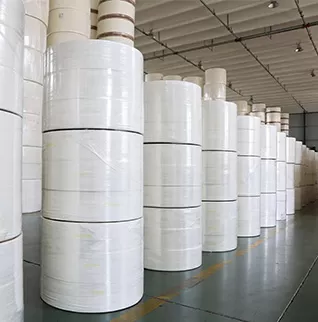
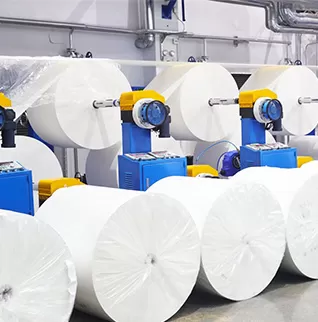
Facial tissue mother rolls: Purchased by converters that cut, fold and pack tissue locally. Buyers must confirm reel width, diameter, core, splice conditions and machine compatibility.
Facial tissue should also be separated clearly from adjacent categories. Napkin paper wholesale is developed mainly for dining and food-service handling, where printability, folding and resistance to light spills may be more important. Toilet tissue paper is designed around bathroom hygiene and water dispersibility, so it should not be selected solely because its ply or GSM appears similar.
OEM Packaging and Facial Tissue Selection Table
OEM packaging affects shelf presentation, transport efficiency and dispensing performance. Before approving artwork, buyers should finalize the sheet format, count, pack dimensions and opening design. Changing the sheet count later can alter the carton height and invalidate the original dieline.
Important OEM details include:
Brand name, logo and approved artwork files
Box, soft pack or pocket-pack construction
Sheets per pack and packs per carton
Flat sheet or interfolded dispensing format
Printed colors and surface finish
Perforated opening or removable film window
Barcode, language and regulatory information
Master-carton strength and pallet configuration
Moisture protection for ocean transport
FSC or ecolabel claims supported by documentation
The European Commission’s EU Ecolabel criteria for tissue paper and tissue products address areas such as fiber sourcing, manufacturing emissions and chemical restrictions. Buyers should verify certification scope and chain-of-custody documentation before printing an environmental label on OEM packaging.
| Target Market | Suggested Construction | Main Performance Priority | Packaging Focus |
|---|
| Value retail | 2-ply, controlled GSM | Reliable daily performance and cost | Efficient sheet count and carton loading |
| Premium household | 3-ply or high-bulk 2-ply | Softness, bulk and low lint | Premium box printing and easy dispensing |
| Hotel and hospitality | 2-ply or 3-ply | Presentation and consistent sheet release | Box design matched to room interiors |
| Office and institutional | Durable 2-ply | Cost per use and dispensing reliability | Larger packs and clear replenishment data |
| Pocket tissue | Compact multi-ply sheets | Strength and portable convenience | Resealable, moisture-resistant pack |
| Local converting | Facial tissue mother roll | Stable GSM and converting performance | Reel protection and machine compatibility |
Before bulk production, approve both a paper sample and a complete packaged sample. Test the first sheet, middle sheets and final sheets in the pack, because dispensing performance can change as the package empties.
FAQ
Is three-ply facial tissue always better than two-ply tissue?
No. Three-ply tissue can provide greater bulk, but softness and strength also depend on fiber quality, GSM, creping and ply bonding. A well-designed two-ply tissue may outperform a poorly bonded three-ply product.
What GSM is suitable for facial tissue paper?
There is no single GSM for every market. China Paper lists 12–18 GSM for its facial tissue product, but buyers should clarify whether a quotation refers to each ply or the total finished sheet and then test the actual sample.
Does higher wet strength make facial tissue better?
Only to a point. The tissue should withstand normal moisture during use without feeling stiff or rough. Excess wet strength may be unnecessary for a standard facial product and should not be confused with flushability.
How can buyers compare facial tissue softness?
Use a consistent panel test with coded samples. Compare initial touch, repeated wiping, surface roughness, lint and flexibility under the same temperature and humidity conditions.
What information is needed for an OEM facial tissue quotation?
Provide material, ply, GSM, sheet dimensions, sheets per pack, folding format, packaging type, artwork, master-carton quantity, certification requirements, destination port and expected order volume.
Should facial tissue and napkin paper use the same specification?
Not automatically. Facial tissue prioritizes close skin contact and softness, while napkin paper may require different wet handling, folding, printing and food-service performance.
References
International Organization for Standardization — ISO 12625-6:2016, Determination of Grammage
International Organization for Standardization — ISO 12625-5:2024, Determination of Wet Tensile Strength
European Commission — EU Ecolabel Criteria for Tissue Paper and Tissue Products
 English
 français
 Deutsch
 Español
 italiano
 русский
 português
 tiếng việt
 Türkçe
 العربية
 Indonesia