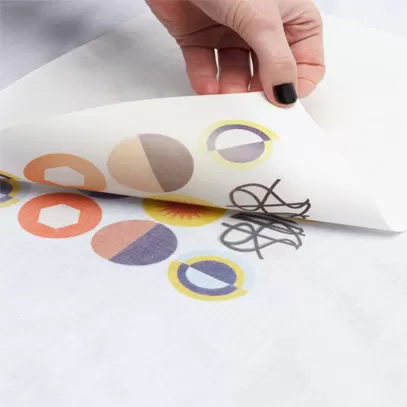
The main difference between C1S and C2S paper is the number of coated surfaces. C1S paper is coated on one side, while C2S paper is coated on both sides. Choose C1S when only the visible surface requires high-quality color printing or when the reverse side needs to remain suitable for writing, gluing or other converting processes. Choose C2S when both sides require consistent smoothness, image reproduction and print finish. The right choice should not be based on coating alone. Buyers also need to compare grammage, gloss or matte finish, opacity, stiffness, ink compatibility, printing method, finishing requirements and whether one or both sides will be visible in the final product.
What Are C1S and C2S Paper?
C1S means “coated one side.” A coating made from mineral pigments and binders is applied to one face of the base paper. This creates a smoother printing surface with better ink holdout and sharper reproduction than the uncoated side. The reverse normally retains a more natural paper texture, although its exact appearance varies by manufacturer and grade.
C2S means “coated two sides.” Both surfaces receive a coating, producing more consistent smoothness, color response and print gloss on the front and back. This makes C2S paper especially suitable for materials that carry photographs, graphics or promotional content on both sides.
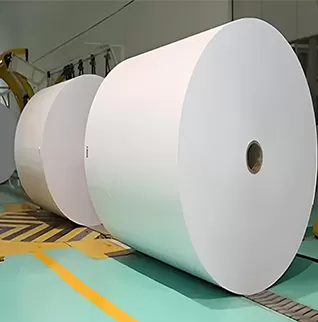
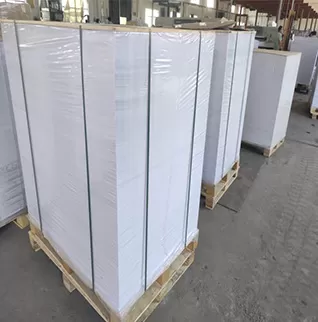
The coating designation should not be confused with paper thickness. C1S and C2S products can be supplied in different grammages, calipers and stiffness levels. China Paper’s C1S/C2S art paper is available in glossy and matte finishes, sheets or rolls, and an 80–250 GSM range for commercial printing and publishing applications.
In purchasing discussions, terms such as C1S art paper, one-side coated paper and single-coated art paper may be used for similar product categories. Buyers should still confirm which surface is coated, whether the reverse is printable and how the supplier identifies the felt and wire sides.
Printing Performance: C1S Paper vs C2S Paper
The coated face of both grades provides a more uniform surface than ordinary uncoated paper. Ink remains closer to the surface instead of penetrating deeply into the sheet, helping produce cleaner text, stronger contrast and more controlled halftone dots.
With C1S paper, the front is intended for the primary printed image. The uncoated reverse may accept ink differently, so the same color profile and ink density should not automatically be used on both sides. This difference can be useful when the reverse needs handwritten information, adhesive application, numbering or lower-coverage text.
With C2S art paper, printers can reproduce images and colors on both sides with fewer visible differences between the front and back. This is particularly useful for brochures, catalogs and magazine pages where each side contributes equally to the design. China Paper’s product specifications also highlight the importance of smoothness, opacity and double-sided print consistency in commercial applications.
For offset printing projects, paper selection should be evaluated together with press conditions, ink sequence, proofing and color targets. The ISO 12647-2 standard for offset lithographic processes covers process parameters used in color separation, proof production and sheet-fed or web-fed offset printing. A press proof on the actual substrate is still advisable because coating formula, shade and absorption can affect the final result. Gloss is another purchasing consideration, but it should not be treated as a complete measure of image quality. The TAPPI T 480 test method for paper gloss measures specular gloss at 75 degrees and is commonly applied to coated papers. TAPPI also notes that gloss measurement does not by itself measure image-reflecting quality.
Typical Applications for C1S and C2S Art Paper
C1S paper is generally preferred when the product has one main display surface. Typical applications include:
Labels and product identification materials
Posters and point-of-sale graphics
Book or magazine covers
Wrappers and printed sleeves
Inserts with one premium printed side
Packaging components requiring printing outside and gluing inside
The uncoated reverse can provide a practical surface for bonding, writing or lower-priority information. However, adhesive and ink tests remain necessary because surface sizing and fiber structure vary between grades.
C2S paper is more appropriate when both sides are visible or carry important printed content. Common applications include:
Corporate brochures and product catalogs
Magazines and promotional booklets
Annual reports and presentation materials
Art books and photographic publications
Leaflets printed on both sides
Premium commercial print products
For applications requiring greater stiffness, such as greeting cards, product tags, covers and small packaging boxes, buyers may consider C2S art board rather than standard art paper. China Paper lists this heavier board in a 200–350 GSM range with double-sided coating and compatibility with processes such as lamination, hot stamping and die-cutting.
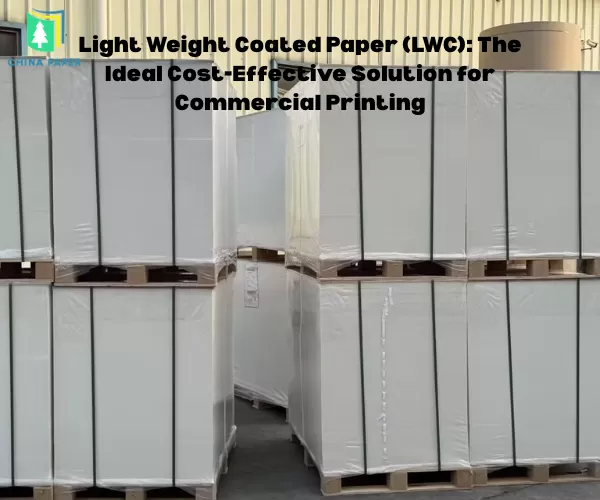
High-volume publishers that require lower weight may instead compare art paper with light weight coated paper. LWC typically uses a lighter coating and lower grammage, making it relevant when mailing weight, page count and distribution cost are more important than a heavy premium feel.
How to Choose the Right Coated Paper
Begin with the final printed product rather than selecting a grade from price alone.
1. Confirm which sides will be printed
Choose C1S when the reverse side is hidden, lightly printed or used for writing and gluing. Choose C2S when both sides require comparable image quality.
2. Select the required grammage
GSM measures the mass of paper per square meter, but it does not directly indicate thickness or stiffness. The ISO 536:2019 method for determining paper and board grammage provides the standardized basis for grammage measurement. Buyers should request both GSM and caliper when bulk, rigidity or mailing weight matters.
3. Choose gloss or matte finish
Gloss surfaces can increase visual contrast and color intensity, while matte finishes reduce glare and often support easier reading under strong lighting. The better option depends on design, viewing conditions and brand positioning.
4. Check opacity
For double-sided printing, insufficient opacity can allow text or images from the reverse side to show through. Opacity becomes especially important with lower-GSM paper, dark graphics or high ink coverage.
5. Review converting requirements
Inform the supplier about folding, scoring, laminating, varnishing, foil stamping, die-cutting or binding. Heavier coated paper may need scoring before folding to reduce surface cracking.
6. Request production samples
A supplier sample should be tested under the intended press and finishing conditions. Compare color reproduction, drying, set-off, folding, coating pick, curl and dimensional stability before approving a bulk shipment.
C1S vs C2S Paper Selection Table
| Purchasing Factor | C1S Paper | C2S Paper |
|---|
| Coated surfaces | One side | Both sides |
| Primary printing requirement | High-quality printing on one face | Consistent printing on both faces |
| Reverse-side character | Usually more natural or uncoated | Smooth and coated |
| Typical products | Labels, covers, posters, wrappers and sleeves | Brochures, catalogs, magazines and art books |
| Writing or gluing on reverse | Often more suitable, subject to testing | May require ink or adhesive compatibility testing |
| Image consistency | Best on coated face | More consistent front to back |
| Cost consideration | Avoids unnecessary second-side coating | Adds value when both sides are used |
| Key specification check | Coated-side identification and reverse usability | Two-sided opacity and print consistency |
Buyers sourcing multiple printing grades can also review China Paper’s broader printing paper range to compare art paper, art board, LWC and uncoated alternatives according to application and press requirements.
FAQ
What is the main difference between C1S and C2S paper?
C1S paper has a coating on one side, while C2S paper is coated on both sides. C1S is commonly selected for one-sided display printing, whereas C2S is intended for consistent printing on the front and back.
Can the uncoated side of C1S paper be printed?
Yes, but it will normally absorb ink differently and may not reproduce images with the same sharpness or gloss as the coated side. A press test is recommended when the reverse contains important graphics.
Is C2S paper always more expensive than C1S paper?
Not necessarily. Pricing also depends on pulp, grammage, coating weight, finish, sheet size, order quantity and market conditions. Compare total production cost rather than coating designation alone.
Is C1S art paper suitable for labels?
It can be suitable when the label requires a premium printed face and a reverse surface for adhesive application. Buyers should test adhesive anchorage, die-cutting and dimensional stability with the intended labeling process.
What GSM should be used for brochures?
The correct GSM depends on page count, binding, mailing weight and desired feel. Lighter grades may suit internal pages, while heavier grades are often used for covers. Printer and binding tests should be completed before bulk ordering.
What information should buyers provide when requesting a quotation?
Provide the paper type, GSM, gloss or matte finish, sheet or roll dimensions, roll core size if applicable, printing method, end application, required quantity, packing method and any certification requirements.
References
International Organization for Standardization — ISO 536:2019, Determination of Grammage
International Organization for Standardization — ISO 12647-2:2013, Offset Lithographic Processes
TAPPI — T 480, Specular Gloss of Paper and Paperboard at 75 Degrees
 English
 français
 Deutsch
 Español
 italiano
 русский
 português
 tiếng việt
 Türkçe
 العربية
 Indonesia