Introduction
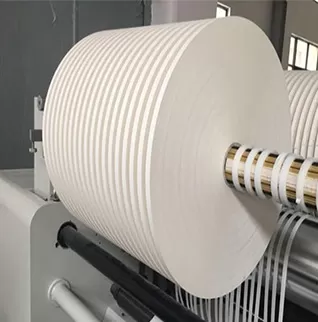
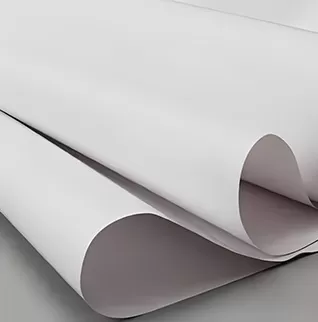
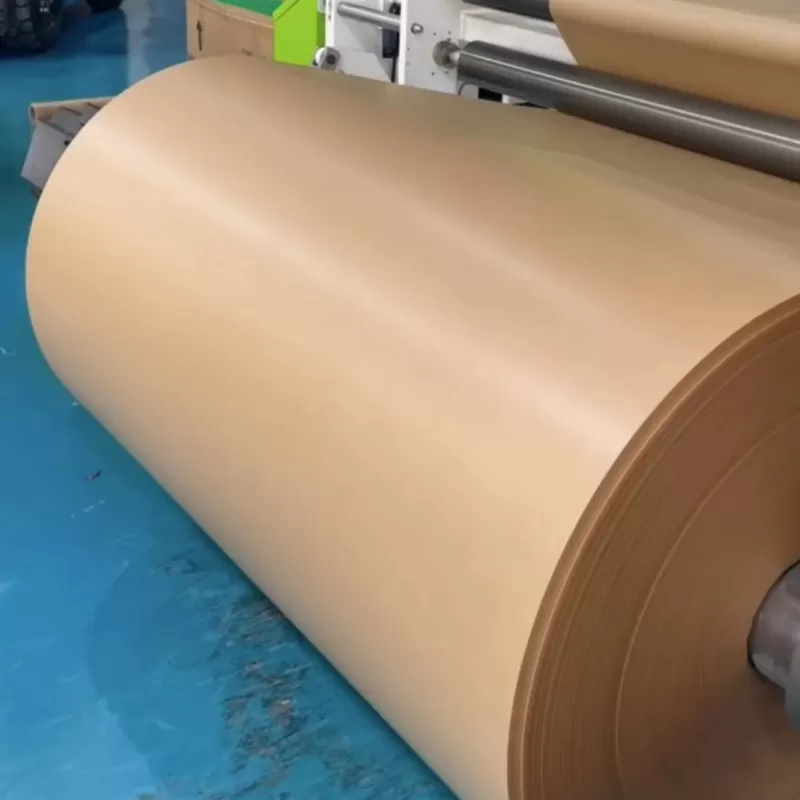
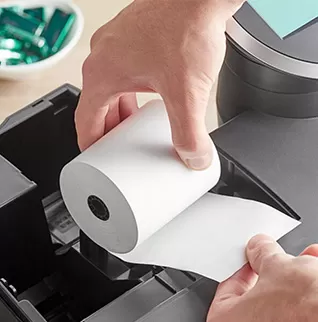
Greaseproof paper is a functional specialty paper designed to resist the penetration and absorption of oils and grease. It is widely used in food packaging, bakery products, takeaway packaging, food bags, liners and other applications where paper needs to maintain its performance when in contact with oily foods.
However, not all greaseproof papers provide the same level of grease resistance. Depending on the raw materials, manufacturing process and treatment method, greaseproof paper can provide different performance levels and may be suitable for different food applications.
For buyers and packaging manufacturers, understanding grease resistance ratings, treatment technologies and the difference between greaseproof paper, baking paper and parchment paper is important when selecting the right paper grade.
What Is Greaseproof Paper?
Greaseproof paper is paper specially engineered to reduce the penetration of oil and grease through its structure.
Traditional grease resistance can be achieved through a highly dense paper structure. During production, refined pulp and intensive beating can improve fiber bonding and reduce the pores within the paper sheet. Supercalendering can further compact the paper structure, creating a physical barrier against grease.
Other grades use functional treatments or coatings to improve grease resistance.
The choice between different technologies depends on the required grease resistance, food application, temperature, environmental requirements and converting process.
How Is Greaseproof Paper Produced?
There are two major approaches to producing grease-resistant paper.
1. Physically Dense Greaseproof Paper
This approach relies mainly on the structure of the paper itself.
Highly refined fibers are closely interlocked during papermaking, reducing the size and number of pores in the sheet. The paper can then be further compacted through calendering.
This approach does not require a separate grease-resistant coating and can provide good recyclability and printability.
However, physically dense paper generally provides a moderate level of grease resistance. For applications involving high oil content, high temperatures or long contact times, a higher-performance grade may be required.
2. Chemically Treated Greaseproof Paper
Another approach is to use functional grease-resistant treatments either within the paper or on its surface.
Historically, fluorinated chemicals were used because of their strong resistance to oil and grease. However, regulatory and market requirements have increasingly shifted toward PFAS-free alternatives.
Today, manufacturers may develop PFAS-free grease-resistant papers using different treatment technologies, including bio-based, acrylic, CMC or other functional systems.
The specific technology should be selected according to the intended food application and regulatory requirements of the target market.
Understanding the KIT Grease Resistance Rating
One of the important performance indicators for grease-resistant paper is the KIT rating.
The KIT test is commonly used to evaluate the resistance of paper and paperboard to penetration by oil and grease. In the grading system described in the paper industry materials, ratings range from KIT 1 to KIT 12, with a higher number indicating stronger grease resistance.
A general application guide is:
| KIT Rating | Typical Application |
|---|
| KIT 1–3 | Low-fat foods such as bread, steamed bread and biscuits |
| KIT 4–7 | Medium-grease foods such as burgers, sandwiches and grilled foods |
| KIT 8–12 | High-grease or longer-contact applications such as fried chicken, popcorn bags and fried frozen foods |
The required KIT rating should not be selected by number alone. Actual performance depends on the food type, oil content, temperature, contact time and packaging structure.For this reason, paper specifications should be evaluated according to the customer's actual end-use conditions.
Why Does KIT Rating Matter?
A higher KIT rating generally means stronger resistance to grease penetration.
For example, paper used for a dry bakery product may not require the same grease resistance as paper used for fried food.
A low-grease application may only require moderate resistance, while fried foods or oily products may require a much higher barrier level.
When selecting a greaseproof paper grade, buyers should therefore consider:
Type of food
Oil and grease content
Contact temperature
Contact time
Required KIT rating
Printing requirements
Folding and converting requirements
Food-contact requirements
Recycling or compostability requirements
Target-market regulations
This approach helps avoid both under-specification and unnecessary over-specification.
PFAS and Greaseproof Paper
PFAS has become an important consideration in food-contact packaging.
PFAS-containing grease-proofing substances were historically used in paper and paperboard packaging because of their resistance to grease, oil and water. However, regulatory requirements have changed significantly.
In the United States, the FDA announced in February 2024 that PFAS-containing grease-proofing substances were no longer being sold by manufacturers for food-contact use in the U.S. market. In January 2025, the FDA also determined that 35 related food-contact notifications were no longer effective.
The European Union has also introduced restrictions on PFAS in food-contact packaging. The European Commission reported that from August 12, 2026, the Packaging and Packaging Waste Regulation includes restrictions on PFAS in food-contact packaging above specified limits.
This development has increased interest in PFAS-free greaseproof paper and other alternative barrier technologies.
For exporters and packaging manufacturers, it is therefore important to consider not only grease resistance but also the chemical and regulatory requirements of the destination market.
PFAS-Free Greaseproof Paper
PFAS-free greaseproof paper is designed to provide grease resistance without intentionally using PFAS-based grease-proofing chemicals.
Depending on the product design, PFAS-free solutions can use different technologies, including bio-based treatments, starch-based systems and other functional surface treatments.
Some greaseproof papers can also achieve high grease resistance through their paper structure and specialized manufacturing process without relying on conventional fluorinated chemistry.
However, "PFAS-free" should not automatically be interpreted as meaning that every paper grade has the same performance.
Buyers should verify:
Greaseproof Paper vs. Baking Paper
Greaseproof paper and baking paper are related but are not necessarily interchangeable.
Greaseproof paper is primarily designed to resist oil and grease penetration.
Baking paper may require additional properties such as release performance, heat resistance and resistance to sticking.
Silicone-coated baking paper, for example, uses a silicone release layer to create a low-surface-energy surface. This allows sticky foods and baked products to separate more easily from the paper.
This makes baking paper particularly suitable for:
Therefore, when a customer needs grease resistance only, greaseproof paper may be appropriate. When the application also requires non-stick performance, a silicone-treated baking paper may be a better choice.
Greaseproof Paper vs. Parchment Paper
Parchment paper is another specialty food paper with strong grease and moisture resistance.
Vegetable parchment is produced through a specialized parchmentizing process that changes the structure and surface characteristics of the paper. The process creates a dense sheet with very small pores and strong resistance to grease and water.
According to the product information in the supplied technical material, food-grade vegetable parchment can achieve very high grease resistance and is used for applications such as butter, cheese, meat, bakery products and other food packaging applications.
The key difference is therefore not simply whether the paper is "greaseproof." The manufacturing technology and final performance determine whether a grade is appropriate for a particular application.
Choosing the Right Greaseproof Paper for Food Packaging
A practical way to select greaseproof paper is to start with the final application rather than the paper name.
For low-grease bakery products
For bread, biscuits and similar products, a moderate grease resistance level may be sufficient.
For takeaway and medium-grease foods
Products such as burgers, sandwiches and grilled foods require stronger grease resistance, particularly when the food remains in contact with the packaging for an extended period.
For fried and high-oil foods
Fried chicken, fried snacks and other high-oil foods may require a higher KIT rating and stronger resistance to prolonged contact with grease.
For baking applications
If the paper must also prevent food from sticking to the surface, grease resistance alone may not be enough. Silicone-coated baking paper or another release-treated paper may be more suitable.
For export markets
For international food packaging projects, buyers should consider the regulatory requirements of the destination market in addition to paper performance.
For example, PFAS-related requirements are particularly important when supplying food-contact paper to markets such as the United States and European Union.
Key Questions to Ask Before Ordering Greaseproof Paper
Before selecting a paper grade, buyers and converters should define several key parameters:
1. What is the end use?
Food bags, bakery liners, burger wrapping, fried-food packaging and baking applications may require different paper grades.
2. How much grease will the paper contact?
Oil content directly affects the required grease resistance.
3. What is the operating temperature?
High-temperature applications may require a different paper structure or treatment.
4. How long will the food remain in contact with the paper?
Longer contact times can increase the risk of grease penetration.
5. Is non-stick performance required?
If the customer needs the food to release easily from the paper, grease resistance alone may not be sufficient.
6. Are PFAS-free or other regulatory requirements necessary?
The destination market and end application should be considered before finalizing the specification.
7. Is the paper required to be recyclable or compostable?
Environmental requirements can affect the selection of raw materials and treatment technologies.
Conclusion
Greaseproof paper is not a single standardized product. Different paper structures, treatments and manufacturing technologies can provide different levels of grease resistance and different end-use performance. The KIT rating provides a useful reference when comparing grease resistance, but the correct paper grade should always be selected according to the actual food, temperature, contact time and packaging process.
At the same time, the global regulatory environment is moving toward greater control of PFAS in food-contact packaging. For international buyers, PFAS-free solutions and appropriate food-contact compliance are becoming increasingly important considerations. For food packaging manufacturers, converters and paper distributors, understanding the relationship between KIT rating, grease resistance, temperature, food application and regulatory requirements can help ensure that the selected paper performs effectively in its intended application.
 English
 français
 Deutsch
 Español
 italiano
 русский
 português
 tiếng việt
 Türkçe
 العربية
 Indonesia